
The Count’s Self-Made Tragedy
A History of the Vampire in Popular CultureThis thread follows Count Dracula from grieving warrior to immortal predator and finally to a figure seeking death.
increasing Bearing strength in each event
 decreasing
Bearing strength in each eventdecreasingMortal Grief
Mortal Grief
Lost Elisabeta
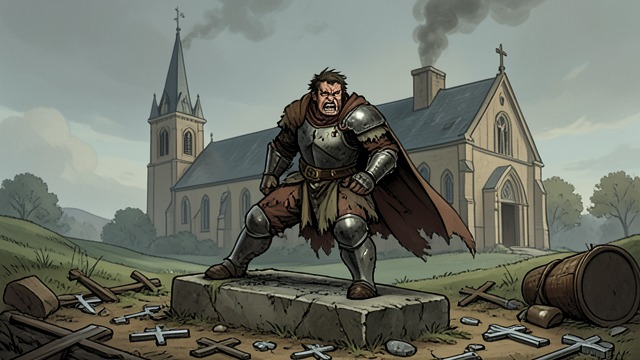
The 1992 adaptation presents Dracula as a warrior whose wife dies after a false report of his death. Grief becomes inseparable from rage against religious judgment.
Rejection of Heaven
He rejects the church and turns toward forbidden power. His transformation begins as an act of protest before becoming a permanent condition.
Self Transformation
Self Transformation
Defiant Conversion
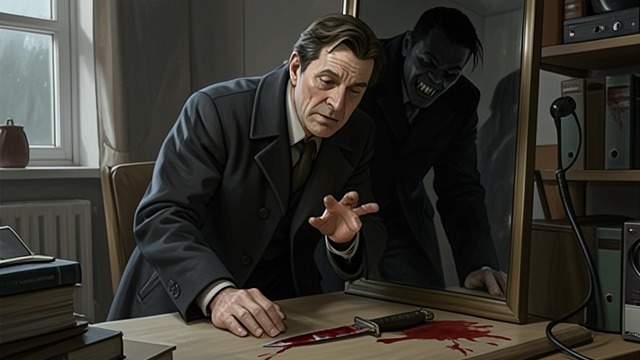
Dracula turns himself into a vampire through grief and blasphemy. No older vampire is needed, making his immortality an expression of will.
Power Without Healing
The transformation preserves his desire but does not repair his loss. Immortality extends pain rather than resolving it.
London Predation
London Predation
New Territory
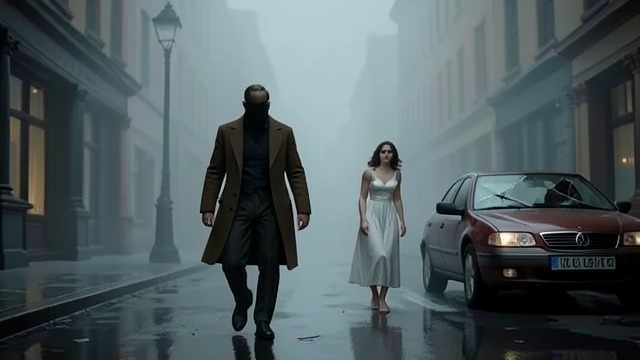
Dracula enters London seeking fresh victims and a broader life. His wealth and intelligence let him move through modern society while concealing his predatory nature.
Desire as Conquest
Mina becomes the central object of his obsession. The Count treats love as possession and the city as a field of acquisition.
Mythic Self-Performance
Mythic Self-Performance
Perfect Manners
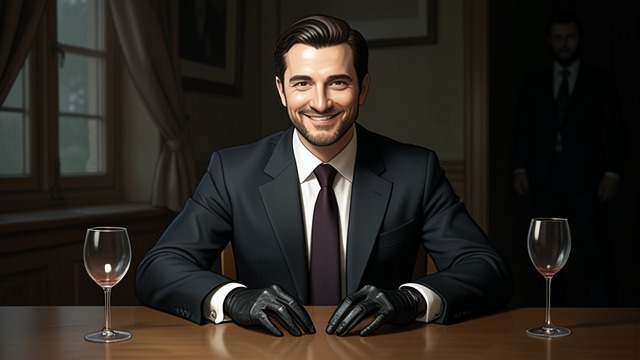
The modern Count uses charm, wit, and etiquette to present cruelty as civilized behavior. His identity is a performance maintained for victims and for himself.
Internalized Legend
He believes the myths that surround him, including the rules that supposedly limit him. His persona becomes both armor and prison.
Chosen Death
Chosen Death
Zoe’s Blood
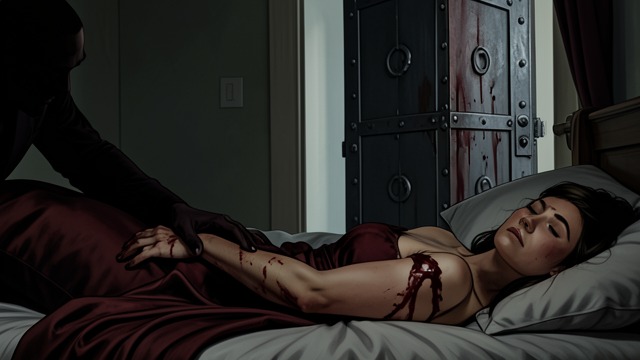
Dracula drinks Zoe’s cancerous blood knowing that it will destroy him. His act is partly sacrifice and partly a long-delayed suicide.
Final Companionship
Zoe carries the memory of Agatha, allowing Dracula to meet an equal at the end. Death becomes the first experience he does not have to endure alone.
Dracula’s pre-vampire life
after Elisabeta’s death
1897
2020s
the BBC adaptation’s ending
